

For years, people have looked at the offshore structures of billionaires and assumed that was the blueprint.
Cayman
BVI
Jersey
Singapore
A web of shell companies, nominee directors, and jurisdictions that politely tell foreign tax authorities to stop asking questions. It looks sophisticated, powerful, almost cinematic. Jason Bourne with a Bloomberg terminal.
The reality is less romantic and far more instructive.
When you study the data on where elite capital actually hides, a pattern emerges. In some countries, up to 70–90% of the offshore wealth of the top tier sits in jurisdictions that are effectively black holes for information exchange.
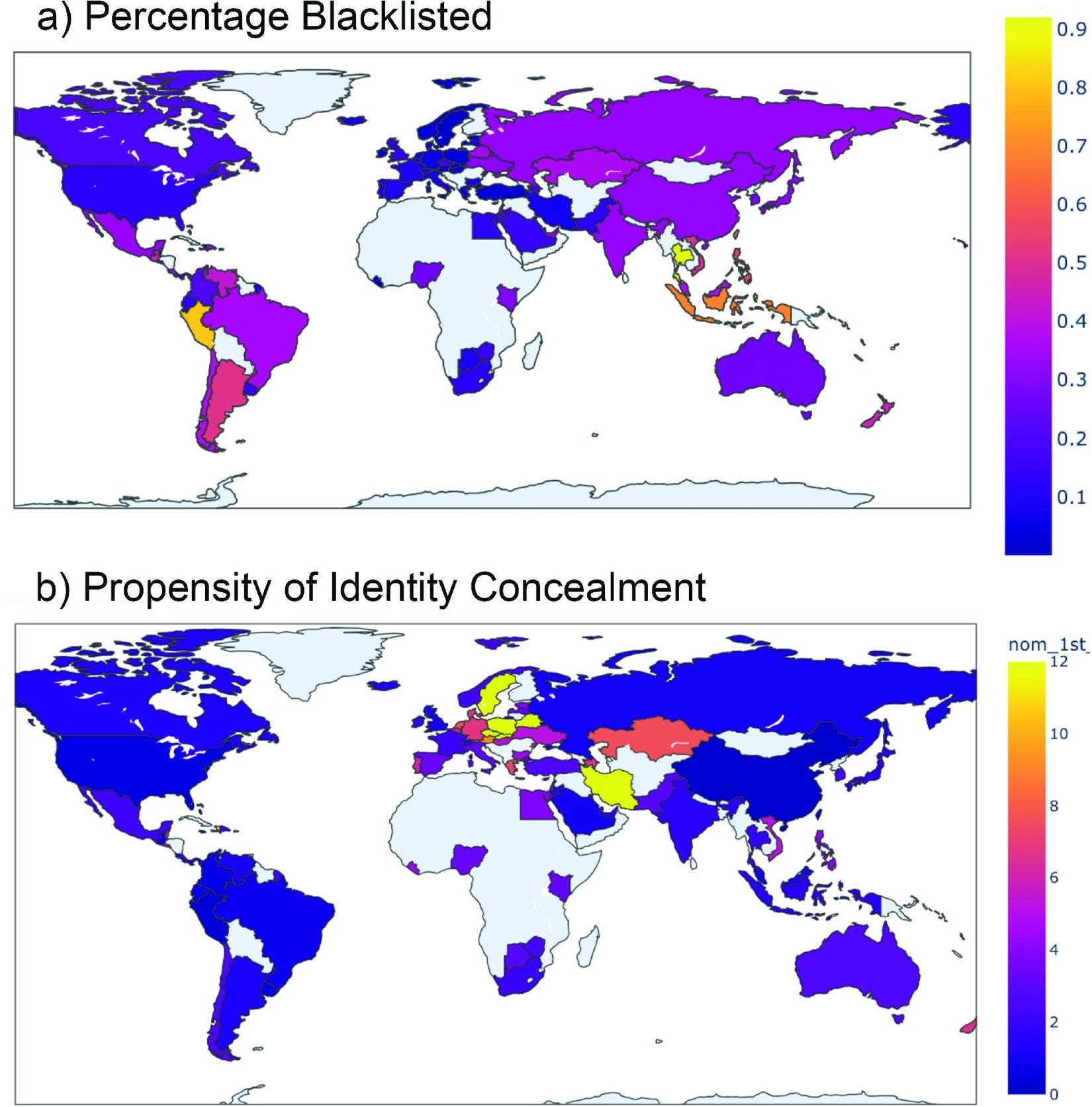
Places built on one promise: secrecy first, cooperation never. In others, the proportion is much lower. Not because the elites are more virtuous, but because their domestic systems, capital controls, and geopolitical exposure create different incentives.
What’s fascinating is not just the percentage. It’s the loyalty.
Russian, Chinese, Brazilian billionaires overwhelmingly cluster in the same few Caribbean structures. South African wealth flows to the Channel Islands instead.
Asian elites, even from countries with low corruption and strong institutions, still route capital through shadow hubs that offer deniability and legal distance. This is not about taxes anymore. It’s about jurisdictional optionality. About having assets that can survive political shifts, currency controls, sudden regulation, or a change in regime.
The rich are not optimizing for yield. They are optimizing for survivability.
From the outside, it looks like complexity. From the inside, it is redundancy. Multiple layers, multiple passports, multiple banks, multiple legal systems. The goal is not to beat the market. The goal is to remain unkillable by the system that created the market.
This is where most online entrepreneurs, traders, and investors get the story wrong.
They see the structures and try to copy the form, not the function. They open offshore companies in exotic jurisdictions, stack wallets, add trustees, pay retainers to lawyers who speak in Latin and invoice in five figures. And then they discover the real cost. Endless compliance. Banking friction. Account closures. Frozen transfers. A permanent low-grade anxiety that something, somewhere, is about to break.
The billionaire can afford this because the structure is a rounding error. The admin team is full time. The legal budget is invisible. The political optionality is worth the drag.
For the digital wealth builder, the one whose capital is still in the growth phase, complexity is usually a net negative. Not because secrecy is bad, but because fragility is.
What matters is not how opaque your structure looks. It’s how resilient it is to three forces: taxation, regulation, and monetary debasement.
This is why the new gravitational center of global capital is so telling.