
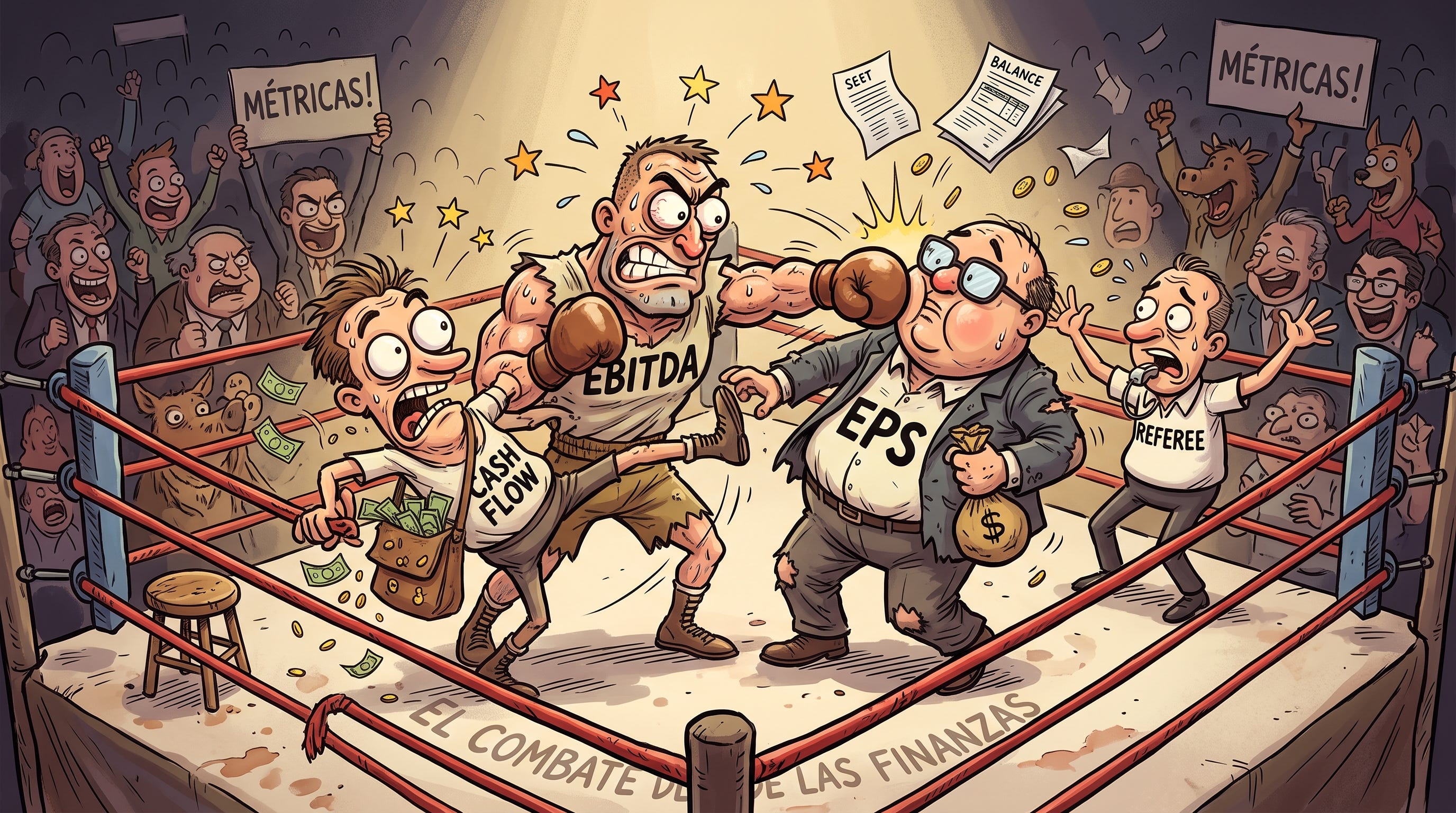
The other day I listened to a guy on a podcast and it kept me thinking all afternoon
He had spent his life analysing companies. Dividends, mostly. Boring compounders that pay every quarter and almost nobody looks at. Every earnings season he sat down and went through them one by one: were they improving, were they not, were they raising the dividend, holding it, cutting it, was the payout starting to squeeze. Ten, twelve hours a week. On top of his day job. For years.
And one day he met someone who told him about a valuation book by Damodaran
That’s it. One book
From that point on, the way he understood a business changed completely. And the interesting part isn’t that he started getting more calls right. It’s that he started looking at something else entirely. He stopped counting dividends and started understanding where they came from.
That’s the distance between working hard and working on what matters
That’s why there are books you have to read whether or not you like finance. Rich Dad, Poor Dad is one of them. And yes, plenty of people will tell you it’s basic, it’s simplistic, that Kiyosaki is a salesman. Fine. All of it. Doesn’t matter. That book doesn’t teach you to invest. It flips the switch. It moves you from “how much do I earn” to “what do I buy with what I earn”, and that switch only gets flipped once in a lifetime.
Now. If you’ve been around here a while, you already know what I think: twenty minutes a month, tops, and you can run better finances than 95% of people. Less is more. That’s still the default advice and I’m not changing it.
But today I want to talk about the other thing
About what you do if you genuinely like finance and you want to understand a company from the inside. Not read about it. Understand it.
And my answer is going to sound odd: go to Strategy’s website
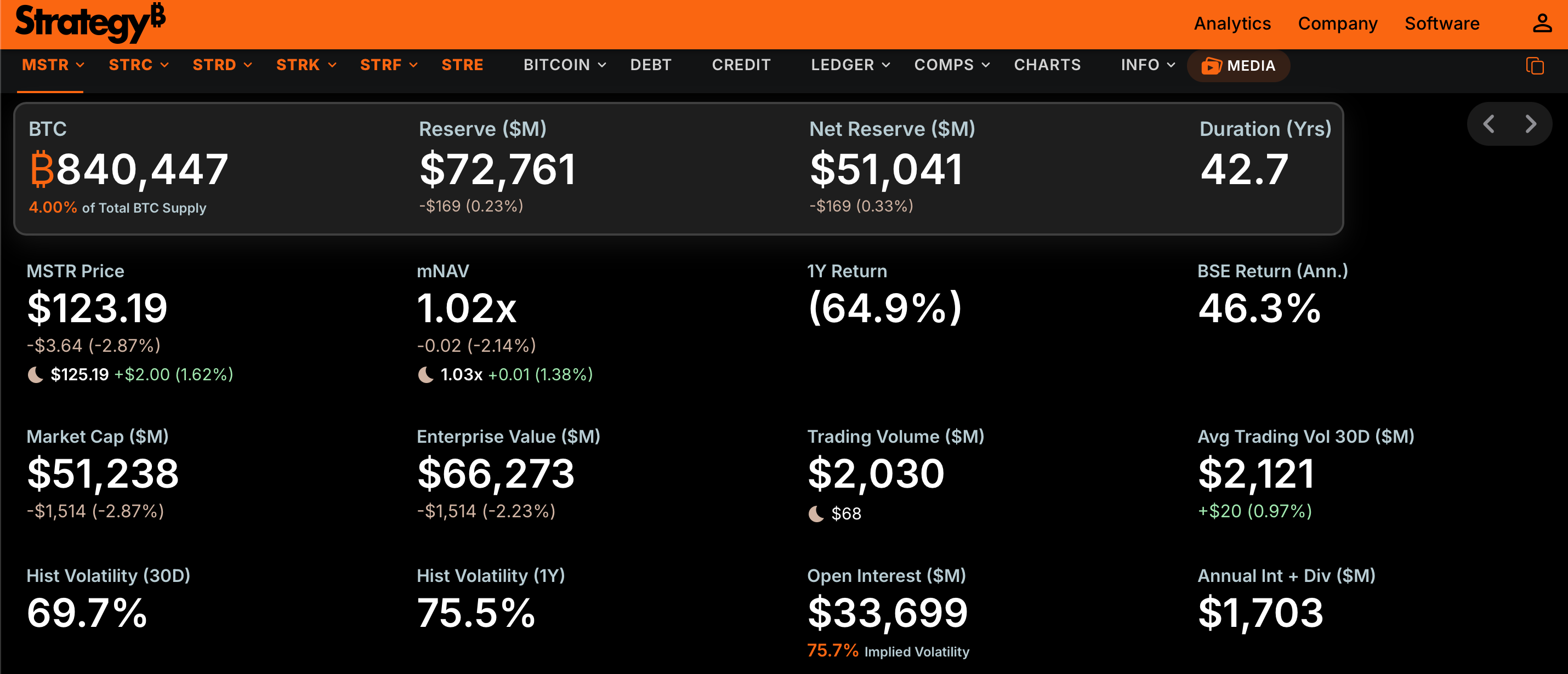
Not a bank’s. Not a broker’s. Not a €2,000 course. The website of a listed company that decided to publish its own dashboard in the open, with the definitions sitting right next to the numbers, updated in real time.
And here’s the important part: it makes absolutely no difference what you think about Saylor, about Bitcoin, or about the model. You can believe it’s the largest leveraged bet in history and still learn more there than almost anywhere else.
Because what’s on that site isn’t an investment thesis. It’s a balance sheet stripped bare and explained from the inside, by someone who needs you to understand it in order to keep funding himself.
You see what credit is and what equity is, and why they are not the same thing. You see what a preferred share is and why it exists.
You see why a company sets cash aside specifically to service its obligations before it does anything else. You see the full hierarchy of who gets paid before whom. And you see something almost nobody explains to you: that once a company can issue new shares, valuation stops being a number and becomes a mechanism.
These are the three metrics that taught me the most, and that changed how I read a balance sheet. Any balance sheet.