
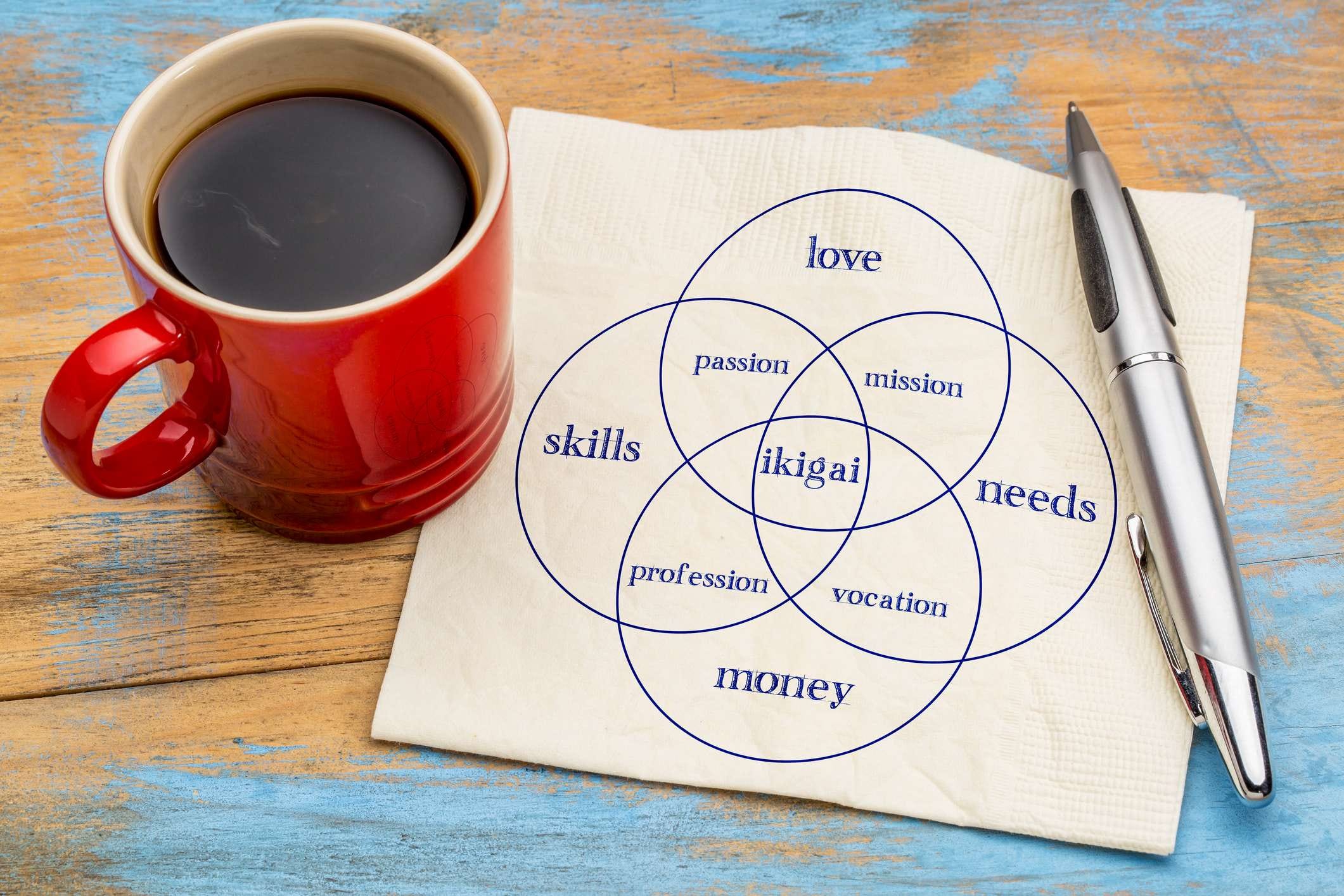
There’s a Japanese idea that has followed me around for years. Ikigai. The reason it’s worth getting out of bed in the morning. I’ve seen it explained a thousand ways. Mission. Vocation. Purpose. Talent. It’s almost always sold as something beautiful, almost spiritual.
Mine isn’t.
My ikigai is to escape the grip of the State. It isn’t a slogan. It’s the cold calculation of someone who has done the math and knows that, if he doesn’t pull it off, in two or three generations nothing of what he built will remain.
Let me explain why.
In ancient Rome, the tax on the harvest was called the decuma. The tithe. Ten percent of what the land produced. And even so, when the Romans tried to squeeze harder, the provinces burned.
Boudica’s revolt in Britain razed three Roman cities and left tens of thousands dead: Roman financiers, Seneca among them, had called in their loans and pushed the Iceni beyond what was tolerable. The First Jewish War ended with the destruction of the Second Temple and hundreds of thousands dead: part of the trigger was the tributum capitis, the poll tax that Jews considered a badge of slavery, and the Roman procurator’s plunder of the Temple treasury.
Ten percent. And people killed each other over it.
Now the uncomfortable part.
Today, across several Western jurisdictions, if your net worth crosses three million there is a 3% tax on your balance sheet. Not on your income. On what you already paid taxes to accumulate. Add the other tax, the invisible one, the one almost no one counts: the rate at which central banks expand the money supply. Global M2 has been growing at an average rate near 7% for decades. Ammous pegs it at 6.7% since 1971. Call it seven.
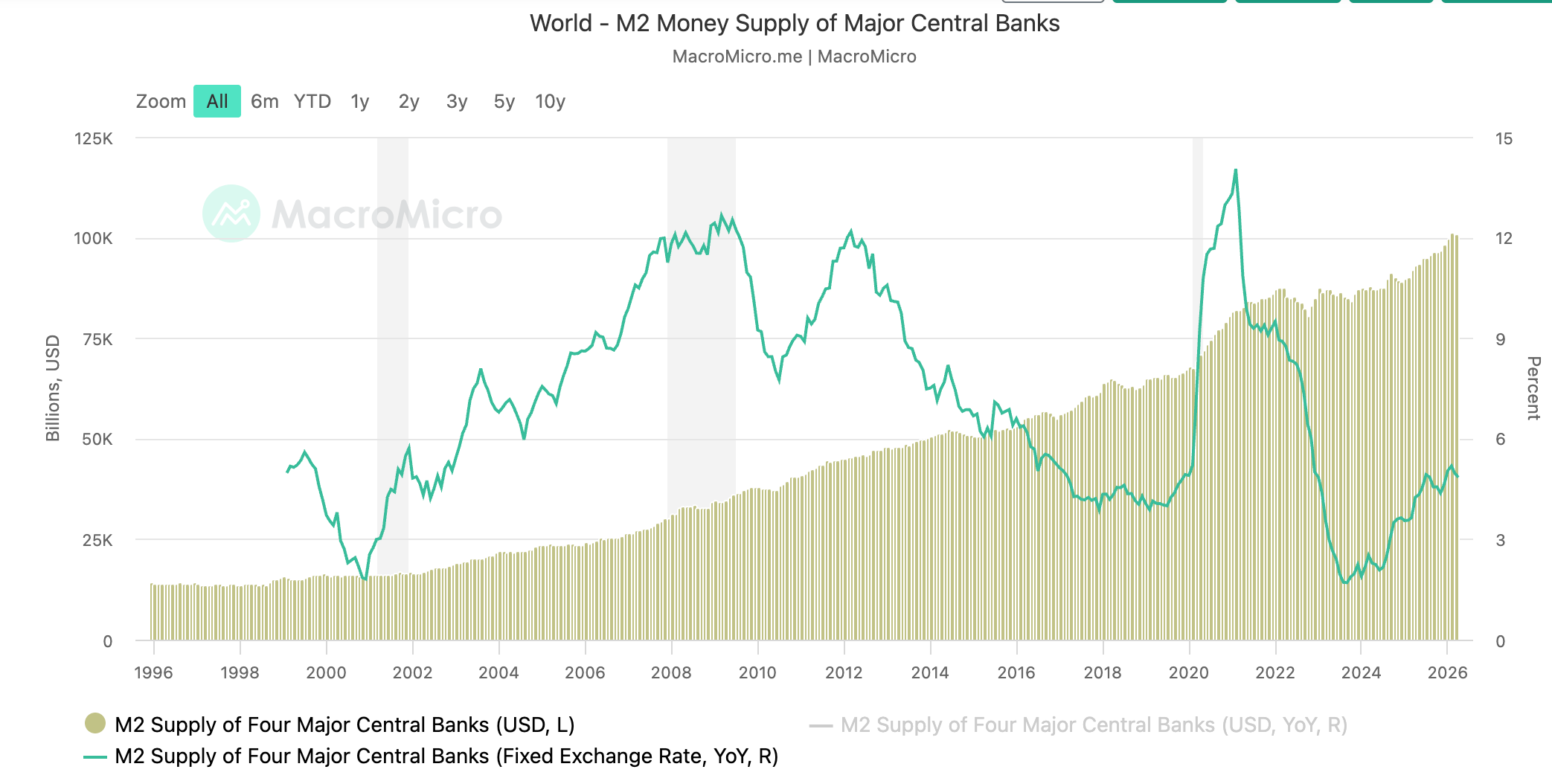
Three plus seven is ten.
3 + 7 = 10
That’s the number. To preserve purchasing power (not to win, not to get rich, simply to stand still) you need 10% real, net, sustained. Year after year. Decade after decade.
A savings account won’t get you there. A bond won’t get you there. Your cousin’s leveraged real estate won’t get you there.
What gets you there, with discipline, is