
Last year I was sitting in a conference room with the operations director of a mid-sized manufacturing company. He was explaining, with visible pride, how they had just renegotiated the collective agreement. Three years of stability. Good terms. A happy workforce.
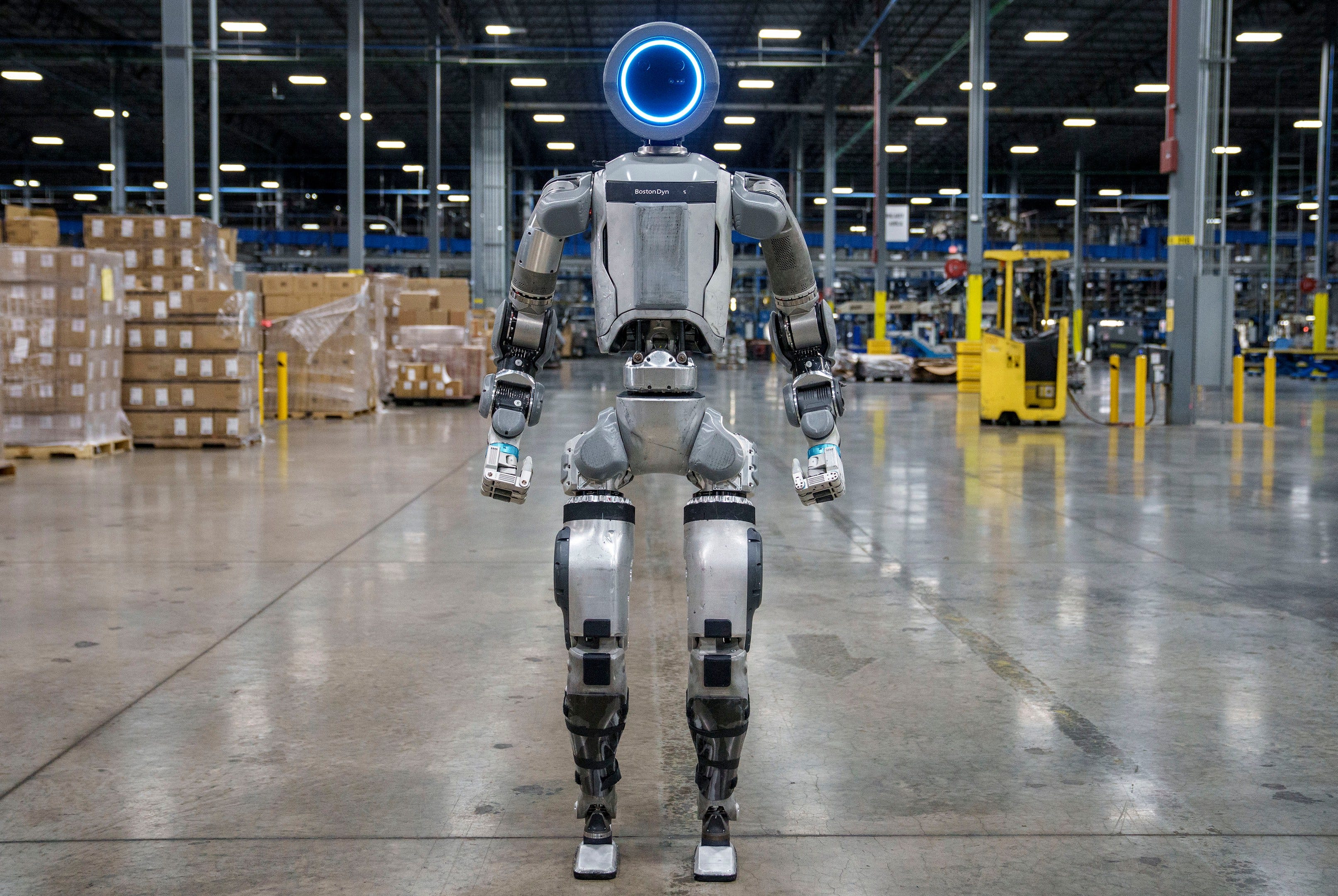
I asked if he knew what a Boston Dynamics Atlas robot cost in production.
He didn’t.
I told him. $320,000. Annual maintenance: $9,500. Works 24 hours. Doesn’t rest. Doesn’t get sick. Doesn’t negotiate. And learns across the network: when one unit optimizes a movement in Georgia, every other unit knows it in real time.
He looked at me like I’d told him the sun rises in the west.
There is a moment in economic history when resistance to automation drops to zero. Not when the robot is better than the human. When the robot is cheaper than the human. Those are two different thresholds. The first was crossed decades ago. The second was just crossed now.
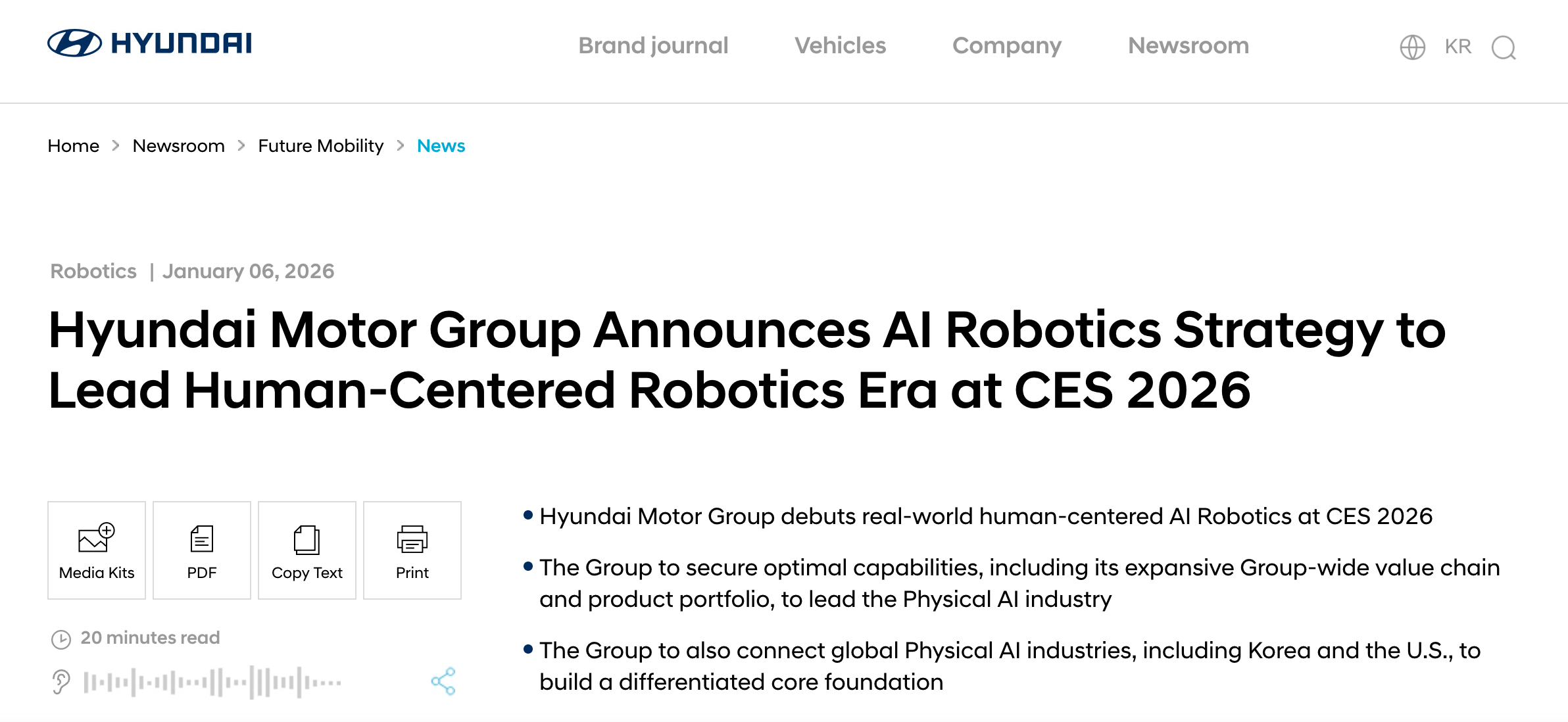
Hyundai has announced 30,000 humanoid units per year by 2028 in its “Software Defined Factories.” This is not a pilot program. Not a demo for investors. It is a statement of intent about the structure of industrial employment as we know it
McKinsey estimates 400 million displaced workers by 2030.
But here is the problem with every conversation this generates: people focus on the job. On whether they’ll have employment. On whether AI will steal their position. On how to train for new skills. On which sectors will survive.
That is the wrong debate. And while you’re stuck there, the real theft is happening in silence.
Because what nobody tells you is this: the robot doesn’t steal your job all at once. The fiat money sitting in your bank account steals the work you already did, slowly, every single day, without making a sound.
Think about it coldly.
You have €50,000 saved. It sits in a current account, maybe a deposit paying 2.5%. You feel like you’re being prudent. Responsible. That you’re building security.
Meanwhile, the eurozone monetary base has grown 400% since 2008. The real accumulated inflation, not the official CPI, but the one you feel at the supermarket, in rent, in energy, erodes that capital year after year. You don’t see the movement. But it’s happening. It’s so slow and so constant that your brain normalizes it.
Fiat is the oldest robot in the system. And it has been doing its job for decades.
The difference between Boston Dynamics’ Atlas and the central bank is this: Hyundai’s robot at least produces something. The monetary machine only redistributes what already exists, from those who save to those who owe, from those who work to those who own assets.
This is why mass automation is not going to destroy the world. It is going to destroy the world of those who don’t understand where real capital lives.
When 400 million manufacturing jobs disappear, there will be two kinds of people. Those who lost their income and had their wealth sitting in a bank. And those who lost their income but had their wealth in assets that cannot be printed.