I drafted this on Friday in Madrid, with a protest filling the city’s main square and the parties in Congress trading votes for paragraphs. By the time you read it, you know how that ended. I’ve left the piece as I wrote it, because the outcome doesn’t change the point.
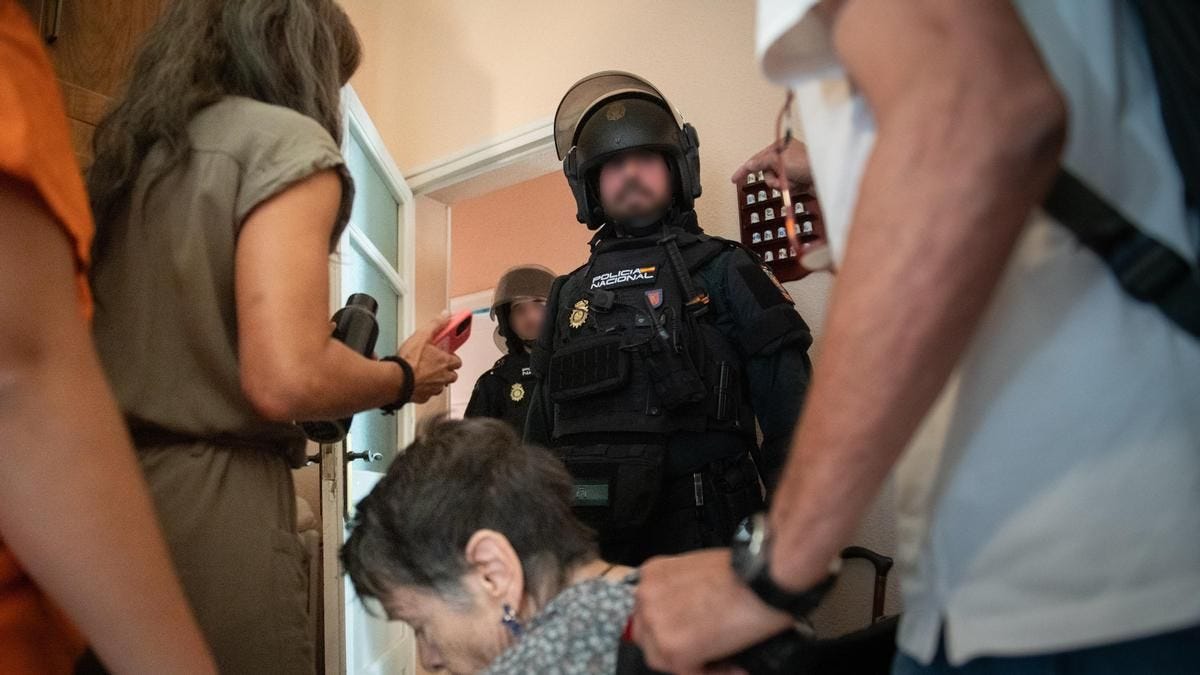
Some context if you don’t live in Spain. An 87-year-old woman called Maricarmen was evicted from the Madrid apartment she rented. The country was furious, and last Tuesday the government answered with two housing decrees.
Rental contracts ending before 2029 can be extended by two years if the tenant asks. A landlord who refuses to renew without a legally accepted reason owes the tenant twelve months of rent, at minimum.
I’m not going to argue about whether that’s fair. Renting in a big city is a monthly anxiety and I understand the anger. I also understand the other side, because the typical Spanish landlord is not a fund. It’s a private individual with one or two flats, bought to top up a pension.
What interests me is the Tuesday. You wake up owning an apartment and go to bed owning something else. Same walls, same deed, different rules. Nobody asked you.
If you’re reading from abroad and think this is a Spanish problem, look around.
🇩🇪 Berlin froze rents in 2020, and a year later Germany’s constitutional court struck the law down. In between, thousands of owners had no idea what rent they were allowed to charge.
🇳🇱 The Netherlands extended rent regulation to much of its market in 2024, and many small landlords put their flats up for sale.
🏴 Scotland froze rents and paused evictions in 2022.
🏴 England has abolished no-fault evictions.
🇵🇹 Portugal stopped issuing new short-term rental licences across much of the country in 2023 and took real estate out of its golden visa.
🇨🇦Canada banned foreigners from buying homes that same year.
🇺🇸The United States, the country of the property owner, banned evictions for almost a year during the pandemic, and the order came from a public health agency. Argentina did it in both directions. It regulated rents in 2020, supply collapsed, and at the end of 2023 it scrapped the law overnight. Also by decree.
Left-wing governments and right-wing ones, rich countries and broke ones. The details differ and the mechanism doesn’t. When housing hurts, politicians legislate on the thing that can’t run.
That’s the flaw nobody looks at until it’s their turn.
Accumulating apartments was the great wealth game of the twentieth century. Buy one, then another, rent them out and let inflation eat the mortgage. Our parents did it and it worked. It still works in places; plenty of Americans do it well, with depreciation rules the rest of us can only envy. But an apartment sits in a registry, with your name on it, on one street, under one jurisdiction. The state knows where it is, what it’s worth and who lives inside.

You can leave. Your apartment can’t.
Then there’s liquidity, which everyone thinks they understand and almost nobody has really needed. Selling a flat takes months when things go well. Now try selling one with a tenant inside, a contract you don’t control and a compensation bill attached if you want it back. Who buys that, and at what price?
Liquidity has an ugly habit of disappearing the day you go looking for it.


While you don’t need it, there are buyers, credit and optimistic appraisers. The day the rules change, every owner looks at the same door at once, and the door is narrow.
Compare that with a listed stock. On Monday at nine you can sell, in seconds, at a price you may not like. But there is a price.
And here’s something most people still haven’t noticed. Today you can borrow against a portfolio of stocks at rates that are often better than a mortgage. No notary, no appraisal, no tenant. We’ve explained how many times here, and we’ll keep bringing you alternatives.
Leverage cuts both ways and a margin call is no fun, but the comparison stands. And still most people want the apartment: the one with the monthly payment, the property tax, the repairs, and now a legislator as a silent partner.
Then there’s Bitcoin, and I think about this more every week. It has no tenant and no municipality. There is no registry for a decree to point at. It trades on a Sunday at 3 a.m. and crosses a border as twelve words in your head. It has its own problems. The volatility can cost you sleep, and a state can always raise the tax when you sell. But the underlying rule, how many exist and who can move them, doesn’t change on a Tuesday.
Keep one more thing clear. Two weeks ago I wrote that 95.5% of people are about to lose their money. When that happens and governments need someone to pay, real estate is the first thing they will come for.
It’s visible, it’s registered and it can’t leave. Taxing a house takes no investigation. They already have the address.
I’m not going to give you a recipe. I don’t know how many flats you own, and I don’t think anyone should sell everything and run. A paid-off home you live in is worth a great deal.
What I’d suggest is an exercise. Take everything you own and ask each piece two questions. How long would it take me to turn this into cash if I needed it next month? And who can change the terms without asking me?
Write the answers down, honestly. If most of what you own takes months to sell and depends on a single official gazette, the number of apartments doesn’t matter. It’s one bet on one country, repeated.
Spain’s decree may survive or fall, and a future government may undo all of it. In your country, Tuesday may not have arrived yet.
I’d rather keep part of what’s mine in something that doesn’t wait for a vote.
Now our portfolio…
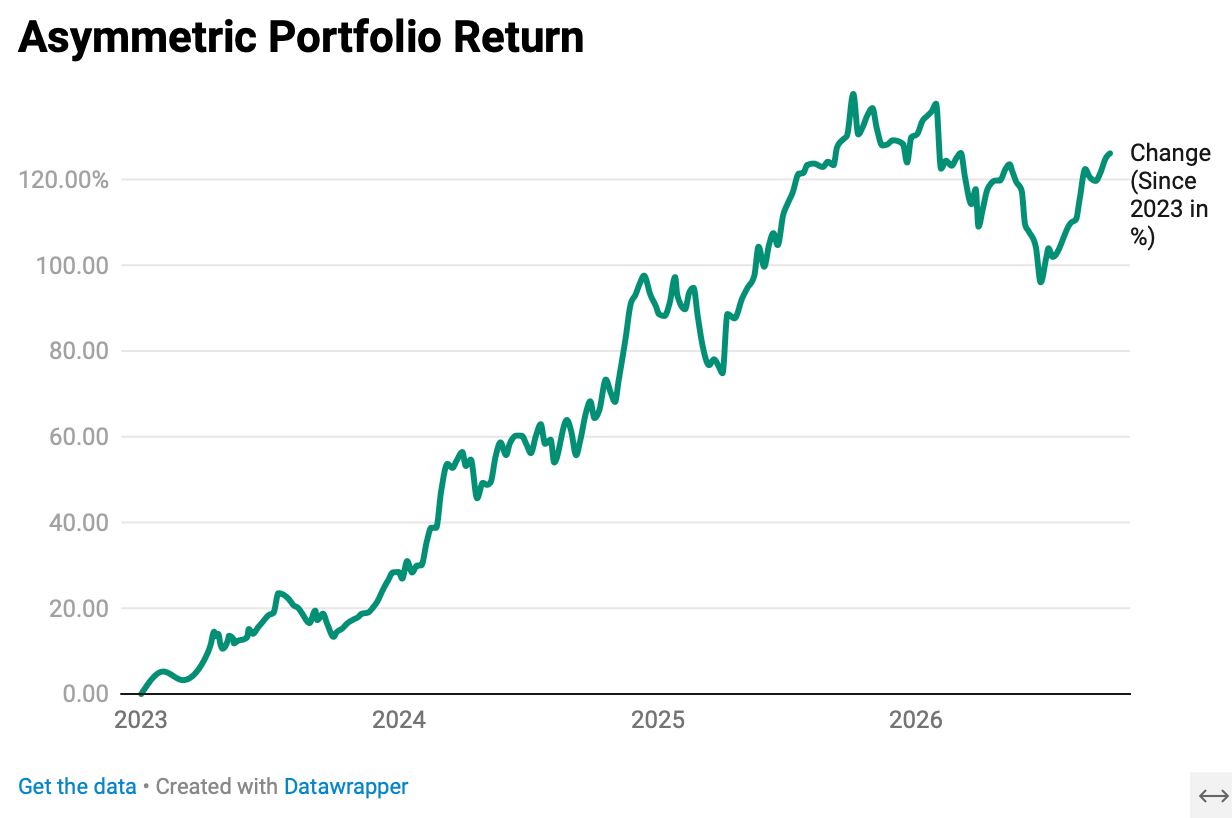
📈 Asymmetric Finance Portfolio
Updated on 2nd October